Healing beyond medicine
Maria Fernandes/NT
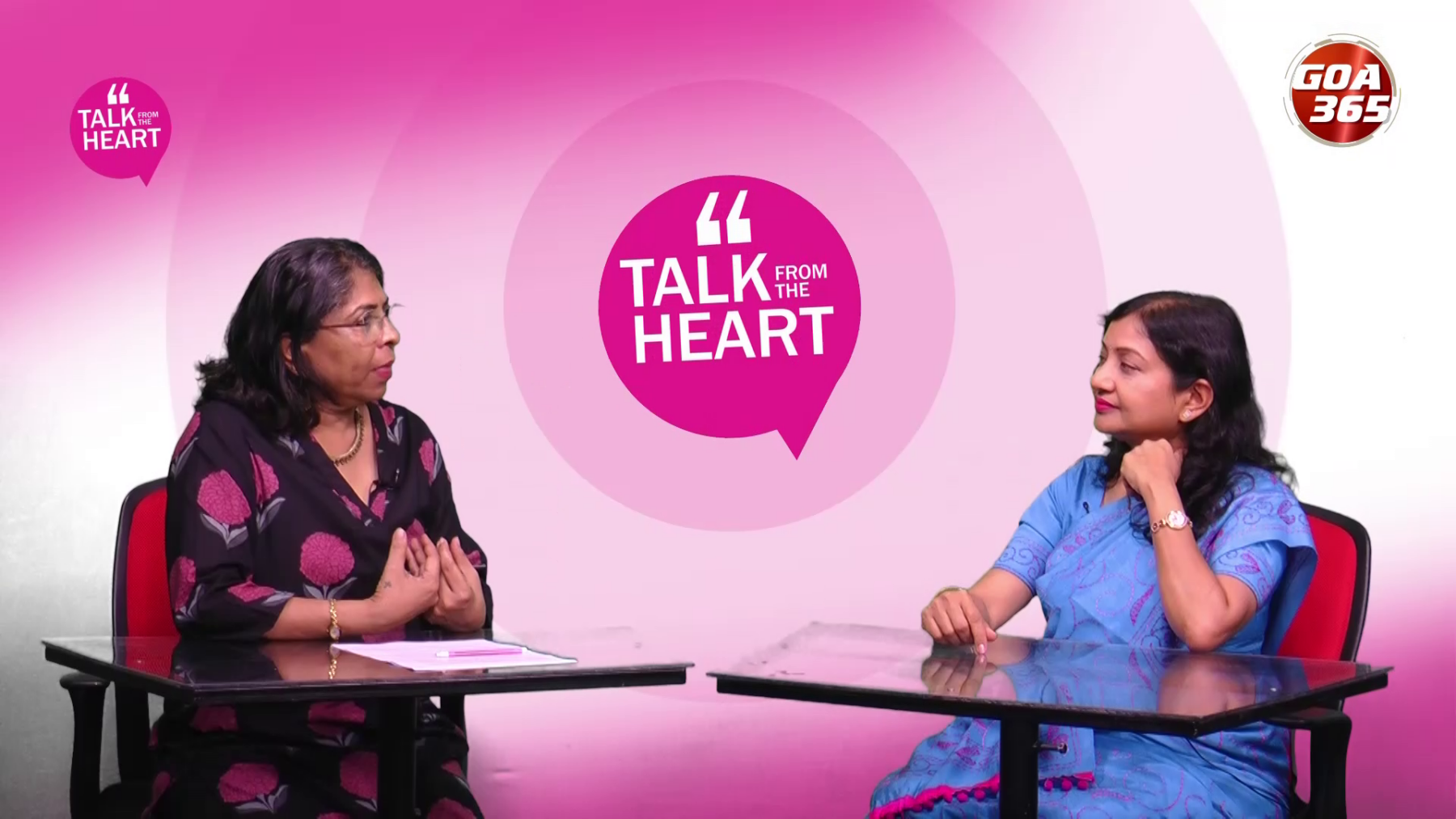
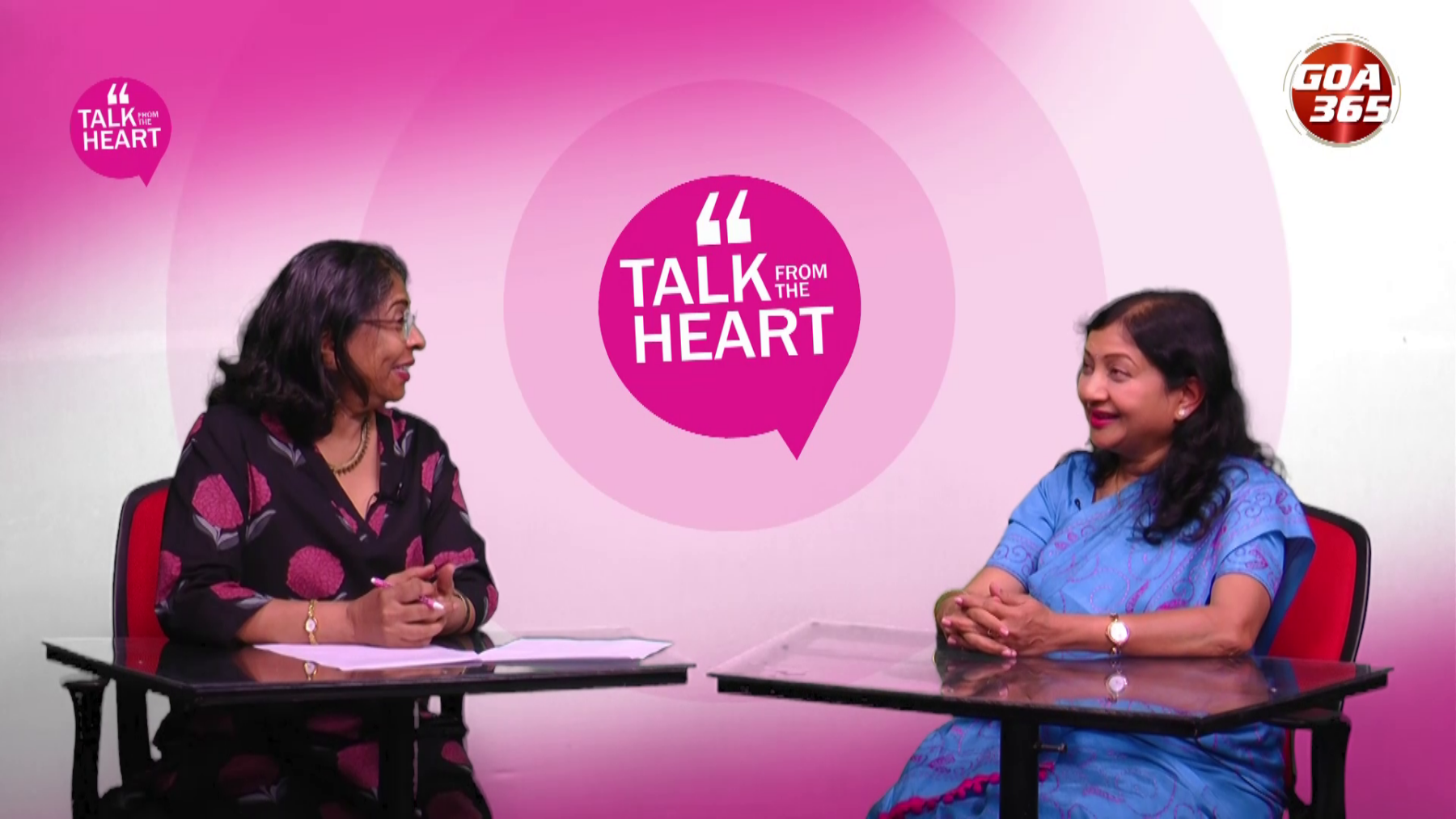
Childhood cancer remains one of India’s most challenging yet often overlooked health concerns. Addressing this critical issue, was Dr. Anupama Borker, Medical Oncologist at Goa Medical College, the guest on the recent episode of The Navhind Times’ Talk from the Heart, which aired on Goa 365 channel.
While childhood cancers are relatively uncommon, they remain among the leading causes of disease-related deaths in children. Borker emphasised that timely diagnosis can make all the difference. “Many childhood cancers are curable if detected early. Unfortunately, when children are diagnosed at an advanced stage, even the best treatment may not achieve a cure,” she said.
A major reason for delayed diagnosis, she explained, is the lack of awareness among both the public and healthcare professionals. Since the symptoms often resemble those of common childhood illnesses, cancer is not always suspected immediately, leading to precious time being lost before the correct diagnosis is made.
According to Borker, acute leukemia or blood cancer, accounts for nearly 40 per cent of all childhood cancers, followed by brain tumours and other solid tumours affecting the kidneys, liver, bones and muscles. Warning signs that parents should never ignore include persistent fever, unexplained bruising or bleeding, prolonged fatigue, paleness, bone pain, swollen lymph nodes and an enlarged abdomen.
She added that awareness programmes for parents, paediatricians and general practitioners are helping improve early detection. Goa, she noted, has made tremendous progress, with the average time between a child’s first medical consultation and a diagnosis of leukemia reduced to around 12 days; far shorter than the four to six weeks commonly reported in many other parts of the country.
Addressing common misconceptions, Borker said many parents still believe that a cancer diagnosis is a death sentence. Advances in treatment, however, have dramatically improved survival rates, particularly when the disease is detected early.
“The first thing we tell parents is that treatment is available and their child can get better,” she said, adding that families naturally experience shock, fear, denial and anxiety before gradually coming to terms with the diagnosis. She also spoke about the role of counseling for the parents.
A significant concern in India is treatment abandonment. According to Borker, prolonged treatment, financial hardship, loss of income, travel expenses and the emotional burden on families often lead some parents to discontinue therapy. “While treatment at Goa Medical College is provided free of cost for Goan patients, many indirect expenses continue to place a strain on families,” she said.
Many children undergoing treatment spend months away from school and friends. At Goa Medical College’s Department of Medical Oncology, efforts are made to preserve a sense of normal childhood. “Counsellors, social workers, dieticians, physiotherapists and occupational therapists support patients through storytelling, art, celebrations and milestone events that sustain hope and morale,” shared Borker.
Being Doctors’ Day, the talk also explored the theme, “Behind the mask, who heals the healers?” highlighting the emotional strain on doctors, including burnout and mental health challenges and the need to care for those who care for others.